Note Fore RS485 wiring connections between the controller and the Server PC, the Daisy Chain connection topology is the recommended wiring connection. Warning! RS485 wiring connection using the Star topology may result in controller communication issues! Summary. Note The address of the controller must be unique (ranging from '00' to '15'), i.e.: no two controller in the same RS485 connection network can have the same address. . . Step-by-step Guide:Note Users are advised to perform ColdStart operation once for every fresh installation unless advised otherwise. ColdStartoperation resets the controller's memories. All the database in the controller will be deleted.
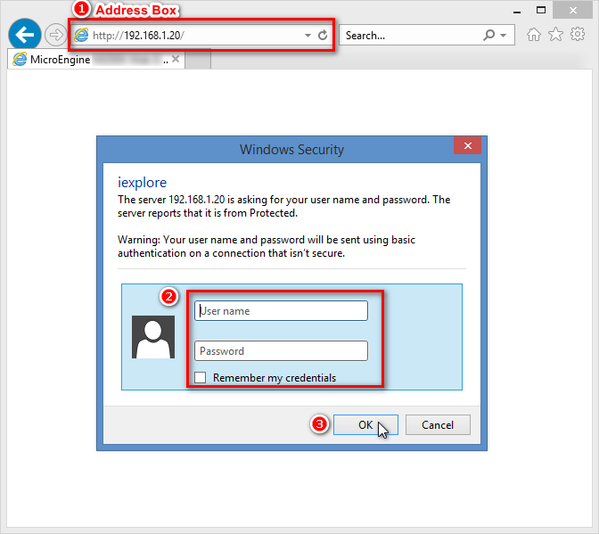
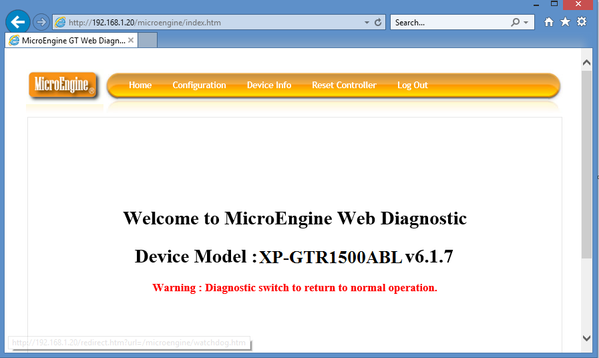
. . Step 1: Press and hold the ColdStart button on the controller board. . Step 2: Turn OFF the power supply. . Step 3: Turn ON the power supply. . Step 4: Release the ColdStart button after 3 seconds. The controller will respond with a long beep to indicate that the ColdStart process is in effect. . . Step 1: Connect the network cable to the controllers. Ensure that both the network port LED is blinking. . Step 2: Open IE browser (Internet Explorer) and type the default IP address in the address box. . Note Default IP address for XP-GT3500 / XP-GTR1500 controllers: 192.168.1.20 . . Step 3: The Windows Security dialog box will be shown. Enter the User name and Password and click OK to continue. . Note Default User Name: admin Password: password10 . . Figure 1: The Windows Security Dialog Box Step 3: Once the login is successful, the following home window will be shown: Figure 2: The Web Diagnostic Home Window
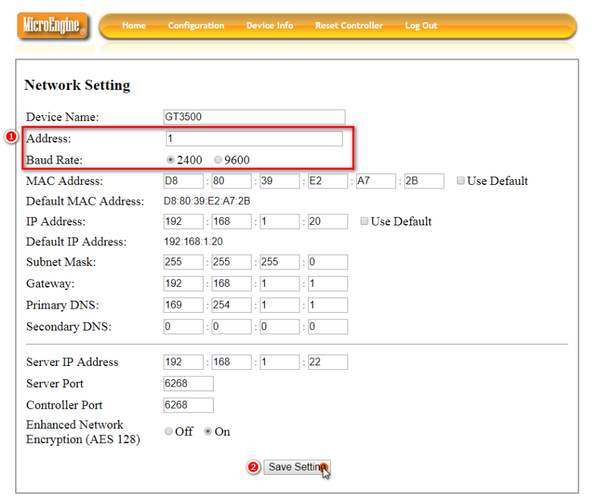
Step 4: Go to Configuration > Network. The Network Setting window will be shown. Configure the Address setting for RS485 and Baud Rate respectively. Figure 3: The Network Setting Window
Step 4: Click Save Setting. The controller will automatically restart to save all changes.
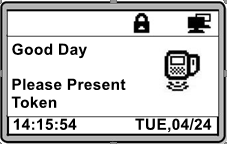
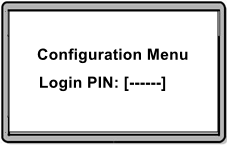
. . Step 1: The following home screen will be shown at the controller's LCD: Figure 4: Controller LCD Home Screen Step 2: To enter Configuration Menu for the first time, press asterisk key (*) and enter the 6-digits default MasterPIN.
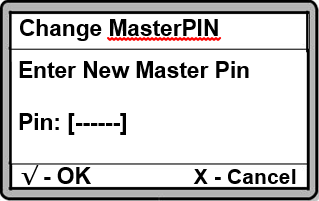
. Note Default MasterPIN: 123456 . . Figure 5: Entering default MasterPIN for first time login Step 3: The following window will then be shown to prompt users to enter a new MasterPIN which will be used for subsequent logins to enter Configuration Menu. Figure 6: The Change MasterPIN Window
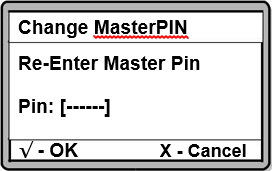
Step 4: Re-enter the same MasterPIN and press √ to confirm the new 6-digits MasterPIN. Figure 7: Re-enter the Same MasterPIN to confirm the MasterPIN
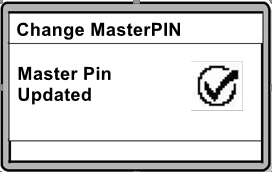
Step 5: The following window will be shown once the new MasterPIN is updated successfully. Figure 8: The MasterPIN Updated Window
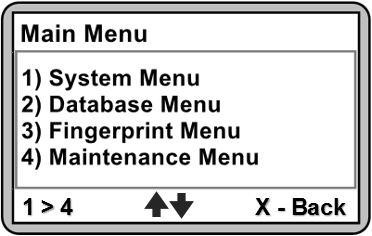
Step 6: Press the asterisk (*) key, followed by the new MasterPIN to enter Configuration Menu. The following Main Menu window will be shown upon entering Configuration Menu. Figure 9: The Main Menu Window
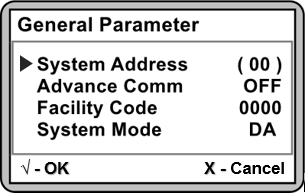
Step 7: Press 1 for System Menu. Press 6 to access the General Parameter menu. The following window will be shown. Press √ to change the System Address setting (indicated by the brackets) and press ↑ or ↓ to configure the unit no for controller's RS485 address. Figure 10: The General Parameter Menu
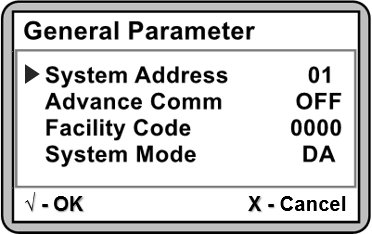
Step 8: Press √ to save the changes (the brackets will disappear). The following window will be shown: Figure 11: The Modified System Address Configuration
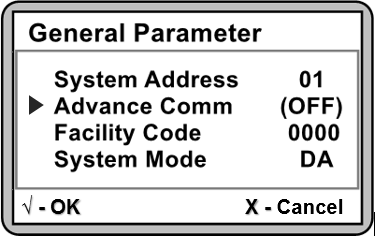
Step 9: To change the controller baud rate, press ↓ to move the cursor to Advance Comm parameter. Press √ to change the Advance Comm parameter setting (indicated by the bracket) and press ↑ or ↓ to configure the baud rate. Figure 12: To Change the Controller Baud Rate
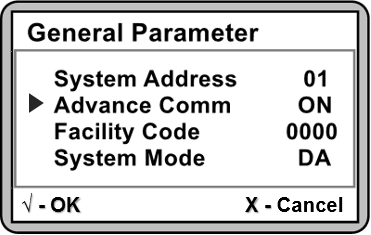
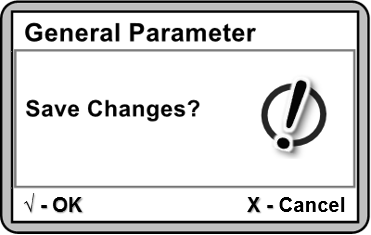
. Note Advance Comm to OFF indicate baud rate of 2400; Advance Comm to ON indicate baud rate of 9600. . . Step 10: Press the √ to save the changes (the bracket will disappear). The following window will be shown: Figure 13: The Modified Advance Comm Configuration Step 11: To exit the General Parameter menu, press ×. The following window will be shown to prompt users to save changes. Press √ to save all changes made previously. Figure 14: The Save Changes? Window
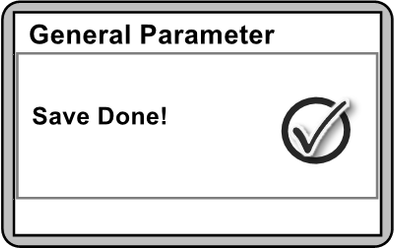
. Note If users exit the General Parameter menu without pressing √ to save the changes, all previously changed settings will be lost. . . Step 12: The following window will be shown once the changes have been saved. Figure 15: The Save Done! Window |